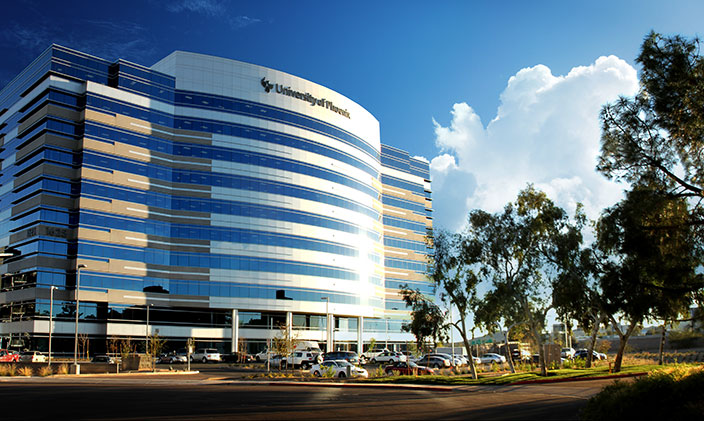
If you live in North Texas and juggle work and family, traditional college can feel impossible. Night drives across town, long lectures, and fixed schedules just don’t fit. That’s where the University of Phoenix Dallas option usually enters the conversation.
You’ve probably seen the ads or heard a coworker mention it. Maybe you’re wondering, “Is this legit? Is it worth the money? Will employers respect it?” Those are smart questions to ask before enrolling anywhere, especially as an adult.
Let’s walk through how the University of Phoenix experience works for Dallas students, what it actually costs, and who it tends to fit best. I’ll mix in research, national data, and some on-the-ground insights for working adults in Texas.
How the University of Phoenix Dallas Experience Actually Works
The University of Phoenix used to run many full physical campuses. Over time, they shifted heavily toward online learning and smaller local support centers. The University of Phoenix Dallas setup focuses mainly on online classes with local resources.
Classes are typically offered in short, focused blocks. Many bachelor’s courses run around five to six weeks. You take one or two at a time, instead of four or five. That structure helps working adults stay sane while handling jobs and kids.
Most Dallas students log in from home, from a break room, or from a laptop in a coffee shop. Lectures, readings, and assignments live inside a learning platform. Discussion boards replace a lot of traditional class talk. Instructors usually respond within a day or so.
The school is institutionally accredited by the Higher Learning Commission, which is recognized by the U.S. Department of Education. You can verify that directly through the Department of Education’s accreditation database.
What Kinds of Students Choose the Dallas Location?
The typical University of Phoenix Dallas learner is not a teenager. Many are in their late 20s, 30s, or 40s. Some already have careers and just need a degree to move up. Others are changing fields completely.
Common groups include:
- Healthcare workers in Dallas hospitals wanting a bachelor’s in healthcare management.
- IT support staff in Irving or Plano wanting a cybersecurity or information systems degree.
- Parents returning to school after raising kids.
- Veterans and active-duty military members stationed nearby.
One student I spoke with, a medical assistant from Mesquite, said this. Driving downtown for night classes just wasn’t realistic after 10-hour shifts. Online coursework that she could handle after her kids’ bedtime made more sense.
If that situation sounds familiar, you’re in the school’s target audience.
Programs, Degrees, and Learning Format
The University of Phoenix offers associate, bachelor’s, master’s, and some certificate programs. Availability can change, but common areas include:
- Business and management
- Information technology and cybersecurity
- Healthcare administration and nursing-related programs
- Education and human services
- Criminal justice and public administration
Most Dallas students take classes fully online. You’ll read, watch videos, post in discussion forums, and submit projects through the learning portal.
A Typical Class Week for a Working Dallas Student
Here’s how a week might look for a full-time worker in Arlington:
- Monday: Watch a short lecture video during lunch. Read one chapter after dinner.
- Tuesday: Post in the discussion forum. Reply to two classmates’ posts.
- Wednesday: Work on part of a group project in the evening.
- Thursday: Read case study material. Draft your assignment or paper.
- Friday: Finish your paper and submit before midnight.
- Weekend: Catch up on reading or discussions if you fell behind.
It’s not easy, but the structure is designed around adult schedules. You don’t lose hours in Dallas traffic, which matters more than outsiders realize.
Cost, Financial Aid, and Value for Dallas Students
Cost is usually the biggest worry. As of recent years, University of Phoenix bachelor’s tuition has often been in the upper hundreds of dollars per credit. Exact numbers change, so always confirm on their official site.
What matters is comparing options realistically:
- How fast can you finish?
- Can you keep working full-time while attending?
- Are you losing income by sitting in classrooms several nights weekly?
According to the U.S. Bureau of Labor Statistics, workers with a bachelor’s degree earned about 68% more in median weekly earnings than those with only a high school diploma in 2023. That wage gap is one reason many adults return to school, even with tuition costs.
Financial aid options can include:
- Federal Pell Grants, if you qualify
- Federal student loans
- Employer tuition reimbursement
- Military benefits, like GI Bill funding
- University scholarships or tuition locks
Always fill out the FAFSA early. That’s your gateway to federal aid and many scholarships.
Comparing University of Phoenix Dallas with a Local Community College
Here’s a simple comparison for a typical working adult in Dallas. Numbers are approximate and can change, so use them as a starting point.
| Feature | University of Phoenix Dallas (Online) | Dallas College / Local Community College |
|---|---|---|
| Typical tuition per credit (USA) | Higher, often in upper hundreds | Lower, often under $150 per credit |
| Class format | Fully online, short courses | Mix of online, hybrid, and in-person |
| Schedule flexibility | Designed for working adults | Good, but more fixed times |
| Degree types | Associate, bachelor’s, master’s | Mainly associate and certificates |
| Time to complete bachelor’s | Can be paced year-round | Often requires transfers to a university |
| Best for | Adults needing flexible bachelor’s or master’s | Cost-conscious students starting locally |
Community colleges are usually cheaper. However, they may require more commuting and more traditional schedules. Many students actually blend paths. They start cheaper at community college, then transfer into an online bachelor’s later.
NerdWallet has a helpful overview of how to measure college return on investment. It’s worth reading before you sign any loan paperwork.
Career Support and Local Opportunities in Dallas–Fort Worth
A degree alone doesn’t guarantee a job. Career services matter, especially for online students. University of Phoenix offers tools like:
- Resume and LinkedIn reviews
- Interview practice sessions
- Virtual career fairs
- Access to job boards and networking events
For Dallas–Fort Worth, that support connects with a large, diverse economy. The metro area has strong sectors in:
- Healthcare and hospitals
- Information technology and telecom
- Finance, insurance, and banking
- Logistics and distribution
- Defense and aerospace
According to the U.S. Bureau of Labor Statistics Dallas data, the region has seen solid job growth in professional and business services. That lines up well with business, IT, and management degrees.
The key, in my experience, is pairing your degree with hands-on experience. Internships, volunteering, or even small freelance projects help you stand out. Online students sometimes skip this step, then feel disappointed later.
How to Decide if University of Phoenix Dallas Fits You
This school can be a good fit for some Dallas students and a bad fit for others. It really depends on your situation.
It might fit you if:
- You work full-time and need maximum schedule flexibility.
- You’re comfortable learning online and managing your own time.
- You already have professional experience and need the credential to advance.
- You live far from big campuses or hate commuting across DFW traffic.
You might want to look elsewhere if:
- You want a traditional campus life with clubs and sports.
- You learn best from in-person lectures and face-to-face discussions.
- You’re extremely cost-sensitive and willing to commute for cheaper tuition.
- You’re not sure about your major and want time to explore.
Before enrolling, I always suggest three steps:
- Talk to current or former students, not just admissions advisors.
- Compare total program costs with at least two other schools.
- Check accreditation and program outcomes through neutral sources, like the Department of Education’s College Scorecard site.
Image suggestion: A working adult in Dallas studying on a laptop at a kitchen table, with kids’ homework visible nearby.
Suggested alt text: “Working parent studying online for a degree at University of Phoenix Dallas”
FAQs about University of Phoenix Dallas
Is the University of Phoenix Dallas campus accredited?
Yes. The University of Phoenix is accredited by the Higher Learning Commission, a recognized U.S. regional accreditor. You can confirm its status on the Department of Education accreditation website. Accreditation is important because it affects credit transfers and federal financial aid eligibility.
Is the University of Phoenix Dallas respected by employers?
Many employers mainly care about your skills, experience, and performance, not just the school name. Some hiring managers are cautious about for-profit schools, while others focus on whether the program is accredited and relevant. Pair your degree with strong experience, certifications, and a solid portfolio to strengthen your credibility.
How much does it cost to attend University of Phoenix Dallas?
Tuition varies by program and degree level, but it’s generally higher than community college and lower than some private universities. Expect several hundred dollars per credit for many programs. Always check the latest tuition chart on the official website and compare with alternatives in Dallas before committing.
Can I work full-time and study at University of Phoenix Dallas?
Yes, that’s the model the school is designed around. Most classes are online and structured for busy adults with jobs and families. You’ll still need consistent weekly time, usually several hours per course, but you control when and where you study.
How does University of Phoenix Dallas compare to other online universities?
Compared with other online-focused schools, University of Phoenix Dallas is similar in flexibility and adult-friendly design. Some competitors may offer lower tuition or different program specialties. When comparing, look at accreditation, total program cost, graduation rates, and employer connections rather than marketing claims alone.